
VA coordinated care helped Navy Veteran move forward after a traumatic brain injury
Navy Veteran Trenton Stahl spends many mornings outdoors with his father tending to the beehives on their property. It’s a small but meaningful routine that helps him feel a sense of purpose and connection, especially important as he continues recovering from a life-changing traumatic brain injury (TBI) sustained nearly a decade earlier during his military service.
Stahl comes from a long line of military service. His parents, grandparents, great-grandfather, and an aunt have all served before him. That legacy shapes the resilience his family brings into his recovery and their close partnership with VA social workers.
With support from VA and the steady guidance of VA social workers, Stahl has gradually found new ways to move forward.
A new journey begins
After a TBI in 2015, Stahl’s family found themselves navigating unfamiliar systems and difficult decisions.
Fortunately, while he was hospitalized in Charleston, South Carolina, they learned about Navy Wounded Warrior – Safe Harbor, a program that connected them to the VA Polytrauma/TBI System of Care, an integrated network of specialized rehabilitation programs for Veterans with traumatic brain injuries and polytrauma. This ultimately led them to the Polytrauma Rehabilitation Center at the VA South Texas Health Care System, Stahl’s first experience with VA’s coordinated rehabilitation and social work support.
Personalized support that makes a difference

In the early phases of Stahl’s recovery, social workers across several VA healthcare systems became essential guides. When the paperwork felt overwhelming, social workers sat with Stahl’s family and walked them through applications, step by step.
When Stahl and his family moved to Houston, Texas, in 2019, social workers at the VA Houston Health Care System stepped in, coordinating TBI clinic visits, therapy evaluations and referrals before he even saw his new primary care provider. Having consistent providers and social workers has given the family confidence and continuity, which has helped support his long-term progress.
Moving forward with purpose
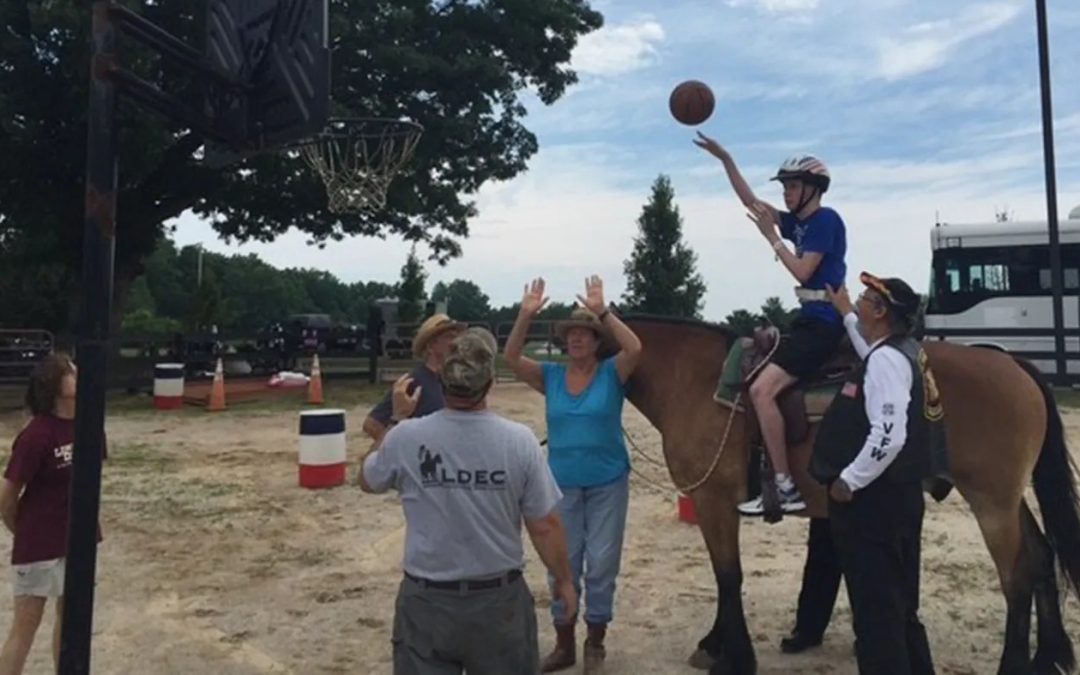
Today, Stahl stays active through routines that double as therapeutic activities. He attends equine therapy twice a week, participates in programs through local Veteran service organizations, and works with his father on woodworking and outdoor projects. At home, he uses activities he’s adapted to his recovery, such as driveway pickleball, balance-focused games and beekeeping to strengthen coordination and confidence while staying engaged in everyday life.
His family appreciates knowing they can always reach out to their VA social worker for guidance and that his doctors consistently work together to support his progress.
“For us, it’s the best-case scenario,” his mother said.
They hope stories like his will inspire others who may feel unsure about seeking help to take that first step.
Connect with a VA social worker
For more than 100 years, VA social workers have walked alongside Veterans and families like Stahl’s. You don’t have to walk alone.
To get connected with a VA social worker near you, call 800-698-2411 (1-800-MyVA411) or visit us online.
Learn more about VA resources
- VA offers comprehensive traumatic brain injury (TBI) care, including evaluation, rehabilitation, therapies, and long‑term support through the Polytrauma System of Care. Learn more and connect to services.
- VA provides support for Veterans with Brain Injury and their families, including Social Work services, care coordination, and assistance navigating benefits and programs.
- Caregivers of Veterans with brain injuries may qualify for support through VA’s Caregiver Support Program, including coaching, resources, and connections to local services.
- If you are in crisis, or know someone who is, call 988 and select 1, or text 838255, or visit VeteransCrisisLine.net. Help is free, confidential, and available 24/7. You don’t have to be enrolled in VA benefits to reach out.
Recent Comments