
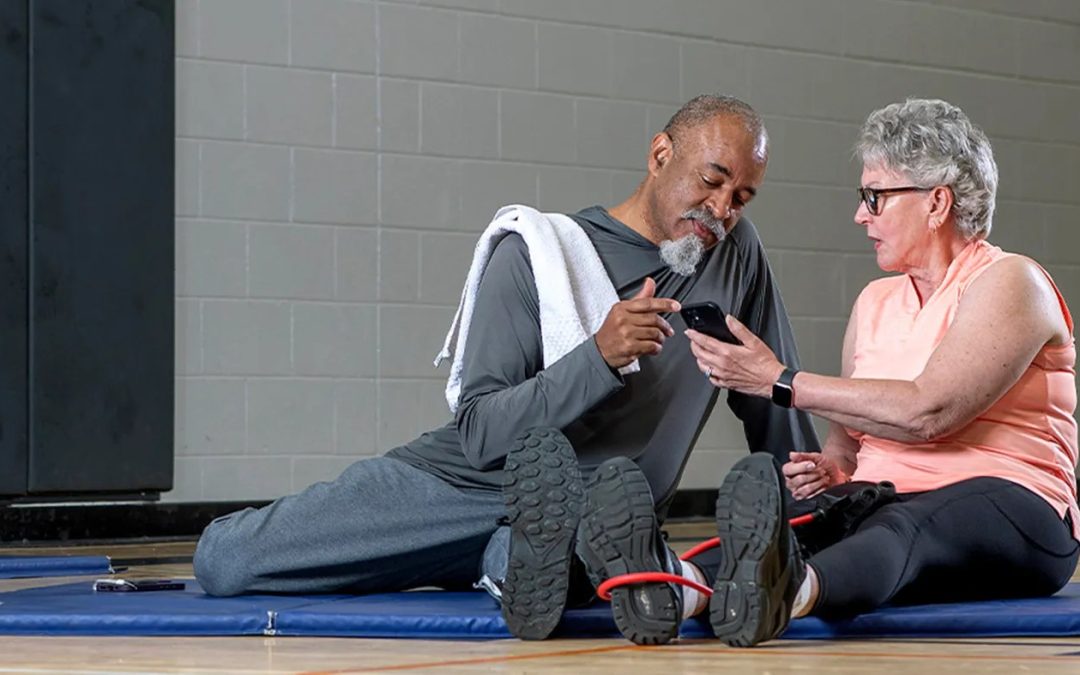
Distress in later life can hide behind, “I’m just getting old.” It’s never too late to reach out.
When we talk about suicide prevention, we don’t always talk about the risks that show up later in life, but we should.
Older Veterans often carry emotional weight from experiences that some younger folks haven’t faced yet. Or things that can feel even tougher when you’re older: the loss of a spouse or old friends, health that isn’t what it used to be, chronic pain and a social circle that keeps getting smaller. Any one of those can weigh heavy on a person. Together, they can add up to a kind of quiet distress that’s easy to wave off.
If you’re an older Veteran, or someone who cares about one, this is for you. Remember: The Veterans Crisis Line and VA are here for Veterans at every age, as well as families and supporters.
When distress hides behind “I’m just getting old”
Some of the hardest signs to catch are the ones that get chalked up to age: trouble sleeping, losing interest in things you used to love, pulling back from people, drinking more or feeling like a burden. These aren’t just “part of getting older”—they can be signals worth paying attention to, especially after a loss, a new health diagnosis or retirement.
For older Veterans who are also experiencing post-traumatic stress disorder, memories can resurface in retirement, after a spouse passes or when the days get quieter and there’s more time to think. Learning the signs of crisis can help you know when it’s time to reach out for yourself, or for a Veteran in your community.
Staying connected
Connection is one of the strongest protections against suicide, and it doesn’t require anything elaborate. A standing phone call, a shared meal, a ride to an appointment, or getting back to a place of worship can all rebuild the kind of belonging that shrinks as we get older. Make the Connection shares stories from Veterans of all generations about hard times and how they got through them, so older Veterans can hear from people who’ve walked a similar road.
If you’re a caregiver or family member, VA sees you as a partner in this. The Caregiver Toolkit offers practical tools and support for the people caring for Veterans, including help with the emotional weight that caregiving can bring. For more on how connection supports all Veterans, read this VA News story.
Finding purpose in later life
Purpose doesn’t retire when you do. Mentoring younger Veterans, volunteering, telling your story, taking care of a garden or a grandkid can give the days shape and remind a person they still matter. Vet Centers offer free, confidential counseling in community settings for eligible Veterans and their families and supporters, and they can be a good place to talk through what a meaningful next chapter looks like for you.
It can also help to have a plan ready before a crisis. The Safety Plan app walks you through building one so it’s there when you need it.
The Veterans Crisis Line is always here for you and your loved ones
When someone contacts the Veterans Crisis Line, here’s what happens: they’re connected with a real person who listens with care—no script, no ulterior motive and no judgment. It’s available to you 24/7 and confidential. Dial 988 then Press 1, chat online at VeteransCrisisLine.net/Chat, or text 838255. You don’t have to be enrolled in or eligible for VA healthcare to reach out. Whatever this stage of life is bringing, there are caring people ready when you are.
Recent Comments