
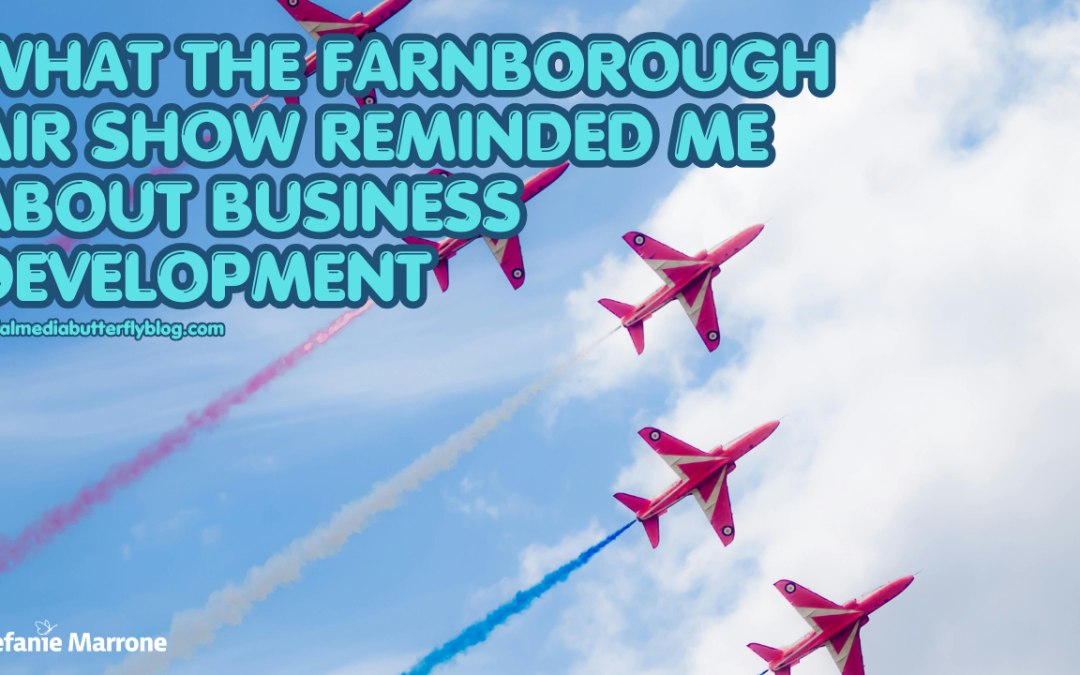
I recently spent several days at the Farnborough International Air Show in the UK, one of the largest gatherings for the global aerospace and defense industry. Thousands of people from around the world came together for meetings, networking events, product demonstrations and conversations about where the industry is headed.
Most people see conferences through the lens of what happens once everyone arrives. They see the receptions, packed meeting schedules, presentations and photos on LinkedIn afterward. They see announcements about new technologies, partnerships and deals. What they don’t see is everything that happens beforehand or the work that continues after everyone has gone home.
Watching the week unfold reminded me of something I’ve believed for a long time: the most successful conferences are shaped by the preparation beforehand, the relationships you build while you’re there and what you do with those relationships afterward.
Farnborough reinforced several ideas that apply well beyond the aerospace and defense industry. Whether you work in law, finance, consulting, technology or another professional services business, conferences can be valuable opportunities to build relationships, strengthen your reputation and create business development opportunities. The days you spend at the conference are only one part of it.
Success Starts Long Before You Arrive
By the time I boarded my flight to London, I had a clear picture of what I wanted to accomplish during the week.
In the weeks leading up to Farnborough, I spent a lot of time thinking about how we could make the most of being there. That included promoting our presence ahead of the conference, coordinating client events, identifying people I wanted to reconnect with, thinking through introductions that could be helpful and considering what we could do after the conference to keep the conversations going.
The people who get a lot out of conferences usually do quite a bit before they arrive. They’re reaching out, putting meetings on the calendar, reconnecting with people they already know and being thoughtful about how they’ll spend their time.
Of course, some of the best conversations are the ones you could never have planned. I had plenty of those at Farnborough too. Preparing ahead of time gives you a strong foundation while still leaving room for the unexpected.
Business Development Happens Everywhere
Some of my best conversations at Farnborough weren’t on my calendar. They happened while walking between meetings, waiting for presentations to begin, introducing one person to another or catching up with someone I hadn’t seen in years.
There’s something about those less formal conversations that gets people talking differently. You hear what’s going on in their businesses, what they’re worried about, what they’re working on and where they see opportunities.
I’ve never viewed business development as trying to collect as many business cards as possible or pack as many meetings as you can into a day. I care much more about getting to know people and staying in touch with them. Sometimes that starts in a scheduled meeting. Other times it begins over coffee, walking to the next event or because you introduce two people who should know each other.
Those informal interactions can be just as important as anything you put on your calendar.
Create an Experience People Will Remember
Another thing Farnborough reminded me of is how important the experience itself can be when you’re hosting clients and guests.
We hosted an event right on the flight line of the air show, where our guests could watch the planes and demonstrations up close while spending time together. It was an incredible setting, and it gave people an experience they wouldn’t get at a typical client dinner or reception.
When you’re investing in an event around a conference, think about what you can offer people that feels special to that particular place or event. What can they see, do or experience with you that they probably couldn’t do on their own? At Farnborough, being on the flight line gave us that opportunity.
The setting also gives people something to talk about. You’re watching the planes together, reacting to what’s happening around you and sharing an experience while getting to know each other. The conversation feels different from sitting around a conference table or attending another cocktail reception.
This is something firms and companies can think about for any major conference. Look beyond the standard dinner or reception and consider what access, setting or experience you can create for your clients and guests. Give them a reason to remember the event and the time they spent with you.
Your LinkedIn Presence Comes Into the Room With You
One of my favorite things that happened at Farnborough was having people come up to me and tell me they already knew me from LinkedIn. It happened several times throughout the week, and it reminded me how much the work we do online carries over into our in-person relationships.
Instead of spending the first several minutes explaining who I was and what I did, we could start talking about marketing, business development, LinkedIn or the legal industry because there was already some familiarity.
Think about what happens when someone regularly sees your posts on LinkedIn. Over time, they learn what you know, what you care about, the topics you regularly discuss and how you approach your work. They may read your content for months or years before you ever meet them in person. So when you finally wind up at the same conference, event or meeting, they already know something about you.
That’s one of the reasons I encourage professionals to work on their personal brands consistently, even when there isn’t an immediate business development opportunity attached to it. You have no idea who is reading your posts, remembering your name and getting to know your work. One day you may walk into a room thousands of miles from home and meet someone who’s been following you all along.
Every Conversation Is a Source of Ideas
Every conference I attend gives me more content ideas than I could ever use. Farnborough was no exception.
Throughout the week, I made notes between meetings and after conversations. Someone would ask a question that made me think of a LinkedIn post. I’d hear an issue come up several times and realize it could make an interesting article. A conversation might make me look at something differently or give me an idea for a future program. This article came directly from reflecting on my experience at Farnborough.
When someone tells me they have no idea what to post about, I usually tell them to pay closer attention to the conversations they’re already having. What questions are clients asking? What topics keep coming up? What did you explain to someone today? What are people worried about? What did you hear that made you stop and think?
I keep a running list because I know I’ll forget otherwise, especially at a conference where you’re moving from one thing to the next all day. There really is a LinkedIn post in almost everything if you pay attention to what’s happening around you.
Conferences Are Part of a Bigger Business Development Strategy
While I was in London, I was already thinking about what could come from the conversations and ideas we were having during the week. Which conversations should continue? Which introductions could be helpful? What could become an article, LinkedIn post or webinar? Were there topics we were hearing about repeatedly that we should explore further?
That’s where I see a lot of untapped potential with conferences. A conversation can lead to another meeting. A topic that keeps coming up can become thought leadership. Someone you meet can become a collaborator, referral source or client. An introduction can lead to another relationship that wasn’t even on your radar when you arrived.
There are also opportunities to keep building around the conference itself. You can create content based on what you learned, continue conversations around the issues people were discussing, share perspectives from the people who attended and find ways to stay connected to the community that gathered there.
Companies and firms spend a lot of money sending people to conferences. Flights, hotels, sponsorships, dinners, tickets and everyone’s time add up quickly. It makes sense to think about how those few days fit into the business development and marketing work you’re already doing and how you can continue using what came from the conference in the weeks and months ahead.
The Follow-Up Is Just as Important
Then there’s the actual follow-up.
When I got home, I started going through the people I’d met and the conversations I’d had while everything was still fresh. Some people needed a LinkedIn connection request. Some needed an email. There were articles to send, introductions to make and conversations I wanted to continue.
This is where good intentions can easily disappear. You get back to the office, your inbox is overflowing, meetings start again and suddenly two or three weeks have passed.
If you told someone you’d send an article, send it. If you said you’d make an introduction, make it. If you had a great conversation with someone, send them a note. If there’s a good reason to meet again, get something on the calendar.
And don’t limit follow-up to the people you met for the first time. A conference is also a chance to strengthen existing relationships. Think about the clients, colleagues and contacts you spent time with and how you can continue those conversations too.
Making the Most of Your Next Conference
I came home from Farnborough with new relationships, stronger existing relationships and pages of ideas. Some of those ideas will become LinkedIn posts and articles. Others may turn into business development initiatives or future programs. And some of the conversations I had will continue in ways I can’t predict yet.
That’s one of the things I enjoy most about conferences. They bring together people you know, people you’ve only known online and people you’ve never met before. You hear what people are working on, what they’re thinking about and what they’re dealing with. You learn, make introductions and have conversations that probably wouldn’t happen sitting at your desk.
The next time you’re preparing for a conference, think about the entire life of the event. Reach out to people before you go and make plans to see them. Leave room for conversations you didn’t plan. Pay attention to what people are talking about and write down the ideas that come from those conversations. Then, when you get home, follow up and keep building on what you started.
The conference may only last a few days, but the work you do before, during and afterward is what makes those days worthwhile.
Stay in Touch! Connect with me on LinkedIn, Threads, YouTube, Instagram, sign up for my email list and follow my blog. Obtain a copy of my LinkedIn Secrets guide. Sign up for my personal branding summer school course. Sign up for my LinkedIn Mastermind.
Recent Comments