
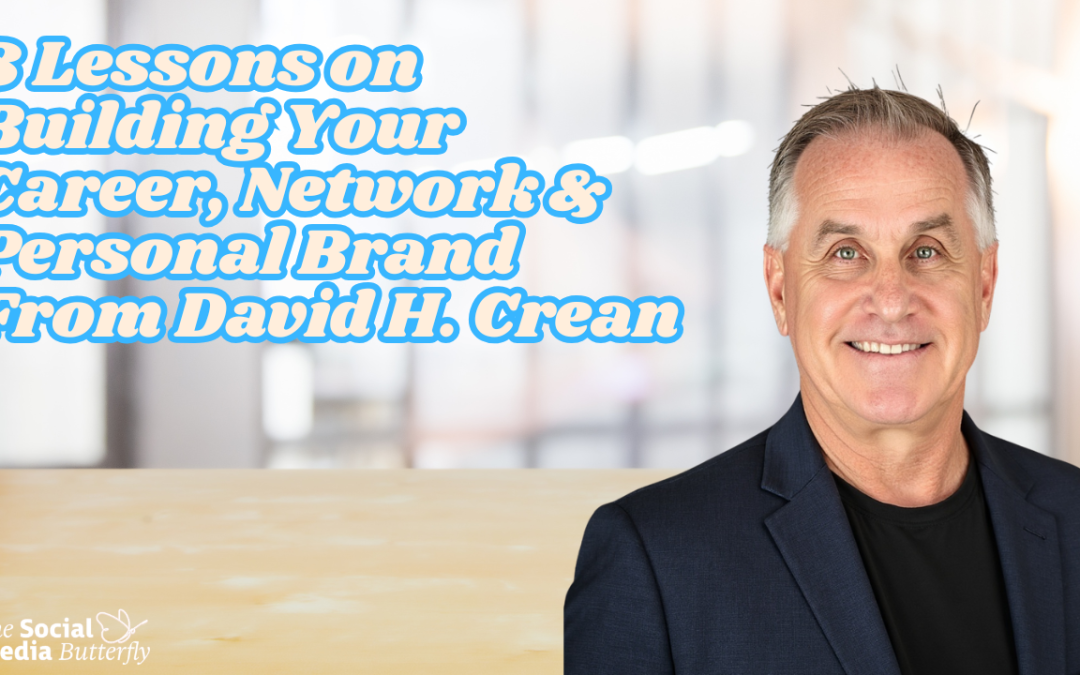
I recently interviewed David H. Crean, founder and managing partner of Cardiff Advisory, for my Business of Building series. His career has taken him from scientist to corporate and business development, M&A, investment banking, venture capital and entrepreneurship, and today he advises life sciences companies while also leading CEO360 and preparing for the launch of his book, Dual Fluency.
There was a lot in our conversation that applies well beyond life sciences. We talked about changing directions in your career, building expertise in new areas, finding great mentors, developing relationships, sharing your ideas publicly and becoming known for what you know.
Here are eight lessons from our conversation that stood out to me.
1. Learn the Other Side of Your Business
David began his career as a scientist and eventually realized that understanding the science was only part of what he needed to know. As he moved into corporate development, M&A and investing, he deliberately learned finance and earned an MBA while working full time.
That idea eventually became central to Dual Fluency: the strongest life sciences leaders can understand both science and capital and communicate effectively with people in both worlds.
There’s a broader career lesson here too. Think about the areas adjacent to your own expertise that would make you better at what you do. A lawyer can learn more about a client’s business. A marketer can learn more about finance. A technical expert can become a stronger communicator. Expanding what you understand can also expand where your career can go.
2. Your Career Can Have More Than One Chapter
David made several significant career changes. He moved from academia into industry, from the laboratory into business development and eventually from operating roles into banking and venture capital.
Each move built on something he already knew while requiring him to learn something new.
Careers can evolve this way. The experience you have today can become the foundation for something you haven’t considered yet. Pay attention to the parts of your work that interest you most and the opportunities that keep pulling you in a particular direction.
3. Find People Who Will Challenge Your Thinking
One of David’s favorite pieces of advice is to “get your answers questioned.”
That’s a good reminder for anyone building a business or career. Surrounding yourself only with people who agree with you may feel comfortable, but the people who ask harder questions can help you see gaps in your thinking much earlier.
This is also part of the philosophy behind CEO360, the peer leadership program David co-founded for life sciences CEOs. More than 170 CEOs have participated in the program, giving leaders a place to learn from people facing many of the same decisions and challenges.
4. Find Great Mentors and Keep Learning From Them
David credits mentors with helping him through each major transition in his career. When he moved into a new area, he looked for people who had already traveled that road and could help him understand what he still needed to learn.
Mentorship can be especially valuable when your career is changing. The person who was helpful to you five years ago may be different from the person whose perspective you need today.
And mentorship can eventually come full circle. David’s own experiences receiving guidance contributed to his desire to mentor other CEOs through CEO360.
5. Focus Your Energy Where You Have Influence
One of David’s mentors taught him a phrase he has carried throughout his career: “You cannot direct the wind, but you can adjust your sails.”
There will always be things outside your control. Markets change. Deals fall apart. Clients make different decisions. Organizations change direction. Opportunities appear and disappear.
Your preparation, relationships, knowledge and next move are areas where you have much more influence. Putting your energy there can help you keep moving when circumstances change.
6. Relationships Often Start Long Before the Opportunity
David described relationships as the foundation of his work. Many of the transactions and opportunities that came later could be traced back to relationships that began years earlier.
That’s an important business development lesson. A conversation today may lead somewhere six months from now, three years from now or much later. Staying connected, learning what people are working on, helping when you can and continuing the relationship gives those connections room to develop.
It’s also why networking works best as something you do consistently throughout your career.
7. Sharing What You Know Builds Recognition Over Time
David publishes Cardiff Insights every week and uses LinkedIn consistently to share his thinking about life sciences, M&A, capital markets and leadership.
Writing regularly has helped him clarify his ideas while also giving other people a way to understand how he thinks before they ever speak with him.
That’s one of the biggest opportunities personal branding gives us. Your content can introduce your expertise while you’re doing everything else. An article, LinkedIn post, podcast or newsletter can reach someone you may never have met and give them a reason to start a conversation with you.
Consistency matters here because recognition builds over time. The more people see you thoughtfully discussing the same areas, the easier it becomes for them to associate you with those topics.
8. Build the Skills You’ll Need Before You Need Them
David’s advice for people earlier in their careers is to learn the second language before the stakes become high.
That idea applies to many areas of professional life. Develop your network before you need a new job. Build relationships before you need business. Learn how to communicate your expertise before you’re asked to give the big presentation. Start sharing your ideas before you’re trying to become known for them.
The work you do earlier can give you many more options later.
One Conversation, A Lot of Lessons
What I liked most about my conversation with David is how connected all of these ideas are. His career evolved because he kept learning, built relationships with people who could help him grow, became comfortable moving into unfamiliar territory and eventually began sharing what he learned with others.
Those same ideas now show up throughout his work with Cardiff Advisory, CEO360 and Dual Fluency.
Whatever stage of your career you’re in, there’s value in asking yourself what else you could learn, who you could learn from, which relationships you want to strengthen and what knowledge you could start sharing with other people.
Read my full Business of Building interview with David for more about his career, his work in life sciences and the ideas behind Dual Fluency.
Connect with David on LinkedIn, follow David’s substack, learn more about Cardiff Advisory.
Recent Comments