
Beware of a new scam targeting families who have recently lost a Veteran loved one with demands for immediate payment for military funeral honors, or a refundable insurance policy to cover honor guard liability.
Fraudsters contact surviving loved ones pretending to be representatives of the Department of War (DoW), Armed Forces, Honor Guard,or other government employees. Families report being threatened with canceled honor guard services if payment isn’t made.
What to watch for
- Unsolicited contact from individuals claiming to be from the DoW, the Armed Forces, the Honor Guard or other government employees.
- Requests or demands for payment for military funeral honors or a “refundable insurance policy” to cover honor guard liability.
- Demands for immediate credit card, Apple Pay, Zelle or money transfer app payment.
- Threats of canceled military funeral honors if payment isn’t made.
Know the facts
- Military funeral honors are always free for active duty members and eligible Veterans; no legitimate representative will ever call to request payment or deposits.
- Family members, funeral directors or Casualty Assistance Officers (CAO) can request military funeral honors. The directory provided by Military OneSource is the best place to find the proper point of contact in your state.
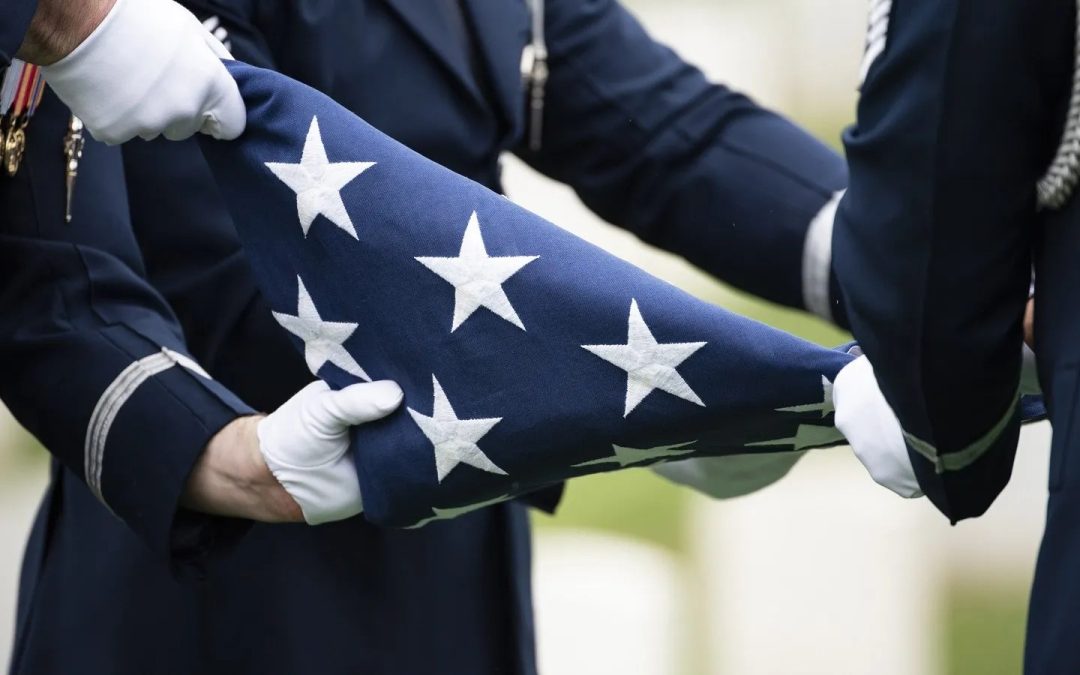
- The law requires the military, upon request, to provide a funeral honors detail. At a minimum, the detail must consist of at least two members of the United States Armed Forces, with at least one member representing the Veteran’s branch of service. The minimum ceremony includes the folding and presentation of the United States flag and the playing of Taps.
- Federal law also permits qualified members of Veterans Service Organizations and other approved organizations, such as local American Legion, Veterans of Foreign Wars or Honor Guard members to supplement military funeral honors details. They may not charge a Veteran’s family for this service.
How to protect yourself
- If you receive a request for payment related to military funeral honors, hang up immediately.
- Never share any personal or financial information or make any payments to unverified contacts.
- Don’t act on urgent requests from people you don’t know. Legitimate VA communications will not pressure you to respond immediately or provide sensitive information.
- If you receive a suspicious email, text, or call, do not call the number provided or click on any links.
- Always verify the sender’s identity—when in doubt, contact VA directly at 800-827-1000.
- Be cautious on social media. Ignore friend requests or messages from people you don’t know or recognize.
If something seems wrong
If you suspect you have experienced fraud, you can find out more and report to the appropriate agency at www.vsafe.gov or by calling 833-38V-SAFE (8-7233).
Don’t fall for these scams
Staying vigilant and recognizing the warning signs is the best way to keep your personal information safe. For more information on how to protect yourself, visit the VA News webpage and VBA’s fraud prevention page.
Additional resources
- VSAFE Fraud Prevention – Memorialization
- VSAFE – Burials and Memorials
- Frequently Asked Questions (FAQs) National Cemetery Administration
Your information and your benefits are valuable. Let’s work together to outsmart scammers and keep your hard-earned benefits secure.
Recent Comments